
3 Types of UGC Content You Can Create to Land Paid Brand Deals (Even as a Beginner)
If you’re thinking about becoming a UGC content creator and getting paid to create content for brands, one of the most important things you need to understand is that your success as a UGC creator depends on the type of content you create.
Brands are constantly looking for authentic, natural-looking content that helps them connect with everyday people. And the good news is that you don’t necessarily need to be comfortable showing your face on camera to take advantage of these opportunities.
Whether you enjoy talking about products, prefer creating faceless videos, or want to explore AI-generated content, there are different ways to get started.
In this article, I’m breaking down three types of UGC content you can create to attract brands and potentially land paid UGC deals, including examples of how each one works.
1. Face-Forward UGC Content: Build Trust by Showing Your Face
The first type of UGC content is face-forward content.
This is perfect for anyone who feels comfortable being in front of the camera, talking about products, and sharing their experiences.
One of the biggest advantages of face-forward content is that it helps build trust.
Think about why you watch certain people on YouTube, TikTok, or Instagram. Sometimes, it’s not just about the information they’re sharing. It’s their personality, the way they communicate, or simply the fact that you feel connected to them.
It almost feels like they’re speaking directly to you.
That’s exactly what makes face-forward UGC content so powerful.
When people see someone who looks like them using a product in their everyday life, the content can feel more relatable and authentic than a traditional advertisement.
Example: Creating Skincare UGC Content
Let’s say you love skincare products. 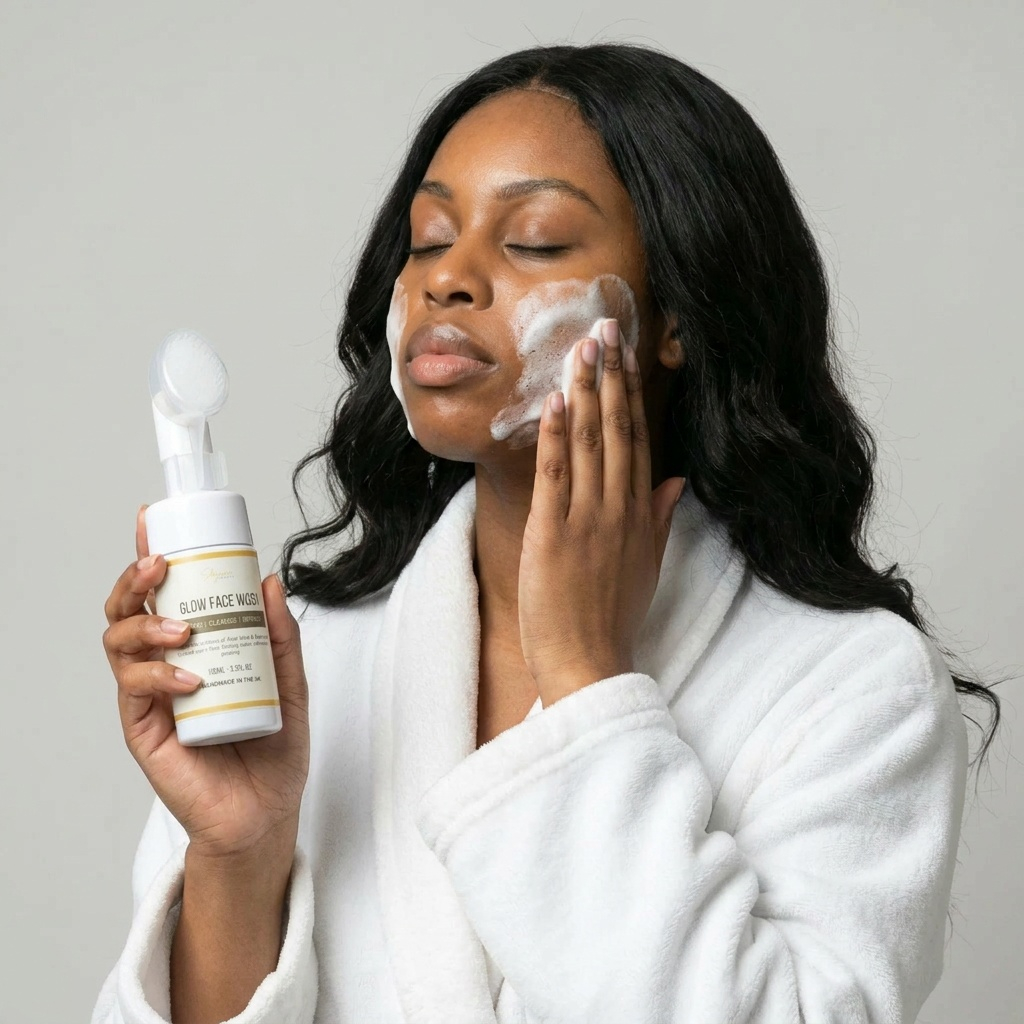
You could create a simple video showing your nighttime skincare routine using your favourite facial cleanser.
Instead of sitting in front of the camera and telling people to buy the product, you could simply record yourself applying it.
Show how the product works, how it feels on your skin, and how your skin looks afterwards.
You could even add some background music to make the video more enjoyable to watch.
The goal isn’t necessarily to convince people to buy something. It’s to show the product being used naturally.
And that’s something I learned from my conversation with the UGC expert: you don’t always have to sell the product to create content that brands find valuable.
Sometimes, simply showing how a product fits into your everyday routine is enough to create engaging content.
Another Example: Product Unboxing Videos
Unboxing videos are another great example of face-forward UGC content.
Imagine receiving a skincare product you’ve been waiting for.
You could record yourself opening the package, showing the product, and sharing your excitement about finally receiving it.
Maybe it’s a facial cleanser you’ve been using for a while, and you’ve just run out.
You could naturally talk about how much you love the product and why you’re excited to have it back.
This type of content creates curiosity.
People watching might start wondering what the product is, why you love it so much, and where they can get it.
And that’s what makes it valuable to brands.
Rather than feeling like a traditional sales pitch, it feels like someone sharing a genuine experience.
People love to buy, but they don’t want to be sold to.
That’s one of the reasons UGC works so well.
Brands can take this type of content and use it in their advertising campaigns to reach potential customers.
As a UGC creator, your role is to create the content, and the brand pays you for it.
2. Faceless UGC Content: Create Videos Without Showing Your Face
Now, what if you want to become a UGC creator but you’re not comfortable being on camera?
Maybe you’re shy, don’t enjoy speaking in front of the camera, or simply prefer keeping your face off social media.
The good news is that you can still create UGC content without showing your face.
This is where faceless UGC comes in.
With faceless content, the focus is on the product rather than the person creating the video.
And there are several ways you can approach it.
Product Demonstration Videos
Let’s go back to our facial cleanser example.
Instead of recording yourself talking about the product, you could place the cleanser against a nice background and film it using your phone.
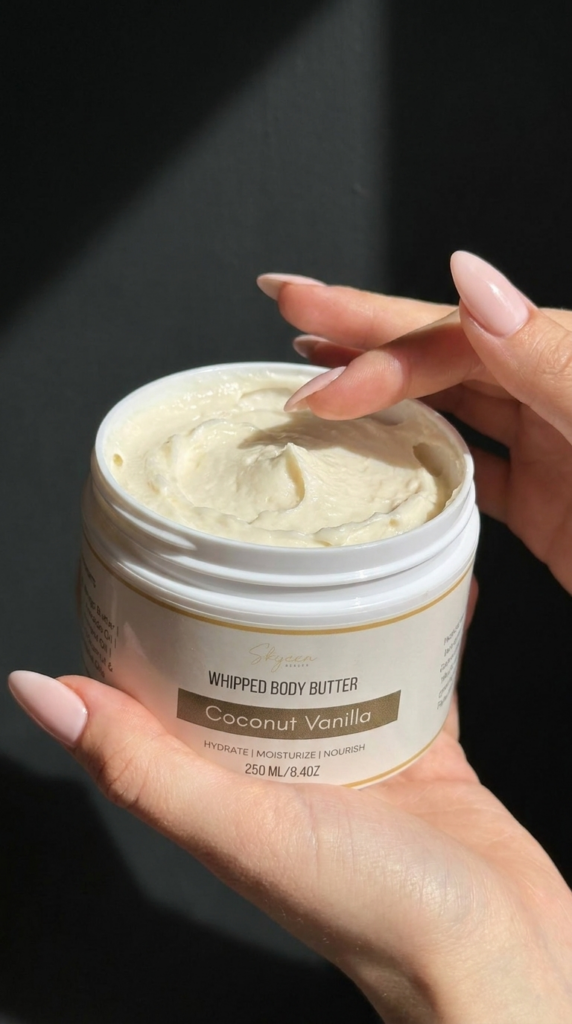 You might move your camera around to capture different angles, bring the product closer to the lens, or show specific details of the packaging.
The important thing is to make sure the product is clearly visible.
Good lighting makes a difference here, and you want to avoid distracting backgrounds that take attention away from the product.
You could also blur the background to help the product stand out.
Because your face isn’t on camera, you’ll generally need to put a little more effort into the visual presentation and editing.
The goal is to make the content look aesthetically pleasing while still feeling realistic.
Flat Lays and Product Swatches
Another way to create faceless UGC content is through flat lays and product swatches.
For example, if you enjoy beauty and makeup products, you could create videos showing different lipstick shades or makeup swatches on your hand.
You don’t need to show your face at all.
Simply record your hand as you demonstrate the product, showing the colours, textures, or how the product looks when applied.
For flat-lay content, you could arrange products against a clean background and record them from different angles.
These are simple ways to showcase products while keeping the attention on what you’re demonstrating.
Faceless Travel and Lifestyle Content
Faceless UGC isn’t limited to skincare or beauty products.
It’s also popular in travel and lifestyle content.
Think about those beautiful hotel and resort videos you see on social media.
Often, the person creating the video doesn’t appear on camera.
Instead, they’re filming the hotel room, the resort, or the surrounding environment.
Sometimes there’s a voiceover explaining what you’re seeing. Other times, it’s simply a video with music playing in the background.
And it works because people watching travel content usually want to see what the hotel or resort looks like.
They’re interested in the experience.
So, if you’re someone who enjoys travel-related content but doesn’t want to show your face, this could be an option worth exploring.
The key is understanding what the audience wants to see and making that the focus of your content.
3. AI UGC Content: Creating Realistic Content Using Artificial Intelligence
The third type of UGC content is one that I’m personally using in my own business: AI-generated content.
AI has opened up new possibilities for creating marketing videos and images, particularly for brands that don’t have large marketing budgets.
And I can share this from my own experience as a brand owner. 
I have a natural skincare brand called Skin Beauty.
Because it’s still a small, growing business, I don’t have a huge marketing budget to hire people to create all my marketing content.
That’s why I’ve started using AI influencers and AI content creators to help me produce content for my brand.
And it’s been a useful way for me to create marketing materials without having to film everything myself.
How I Create AI Content for My Skincare Brand
One of the tools I use is a platform called OpenArt. You can check it out here
I use it to create AI images and videos for Skin Beauty, and you can see examples of this content on my brand’s TikTok page. A lot of the content I create is designed to look realistic.
And this is where I want to highlight something important.
Creating AI content that brands will pay for requires more than simply downloading an AI app.
You need to understand how to use the software properly.
You need to learn how to write prompts that produce realistic images and videos.
Otherwise, you could end up creating content that looks obviously artificial.
We’ve all seen those AI videos where the people look unnatural, the movements don’t make sense, or something just doesn’t look right.
Even my four-year-old can sometimes recognise when something is AI-generated!
And that’s not the type of content you want to be creating if your goal is to work with brands.
The quality of your content matters.
Why Learning AI Content Creation Skills Matters
One thing I’ve learned from using AI in my business is that the real value is in the skill.
It’s not just about having access to the software.
It’s about knowing what you’re doing.
For example, understanding which prompts to use can make a difference in whether your AI images look realistic or completely fake.
That’s why I believe investing time in learning AI content creation is important.
There are plenty of YouTube tutorials that can help you understand how these tools work.
I’ve also personally invested in learning the skills I now use to create AI content for my business.
And those skills have allowed me to create content for my skincare brand, my website, and even TikTok affiliate marketing. You can check out the AI community I joined to learn here.
Creating Content With AI Avatars and AI Twins
Another interesting part of AI content creation is the ability to create AI avatars.
With AI, you don’t necessarily have to appear on camera yourself.
You could create an AI influencer to showcase products or even develop an AI twin that looks like you.
An AI twin can be designed to resemble your physical features and body structure, allowing you to create marketing videos without filming every scene yourself.
Imagine being able to sit at home with your phone and create professional-looking content for your business.
That’s something I’m already doing with Skin Beauty.
There are times when I’m sitting comfortably at home, using my phone to create images and videos that I can use for my marketing.
And because I’ve learned how to use these tools, I can create multiple pieces of content without having to record everything manually.
For anyone interested in becoming an AI UGC creator, this is another type of content worth learning about.
There are AI UGC creators landing paid brand deals, and brands are willing to pay for realistic, high-quality content.
But remember, the skill is what makes the difference.
If your content looks fake or poorly produced, it’s going to be harder to attract brands.
Which Type of UGC Content Should You Create?
Now that you understand the three different types of UGC content, the next step is deciding which one works best for you.
If you enjoy being on camera and sharing your experiences, face-forward content might be a natural starting point.
You can create product reviews, skincare routines, unboxing videos, and everyday lifestyle content.
If you’re camera-shy or prefer keeping your face private, faceless content gives you another option.
You can focus on product demonstrations, makeup swatches, flat lays, or travel videos without appearing on camera.
And if you’re interested in using technology to create content, AI UGC could be something to explore.
You can learn how to create realistic images, videos, AI influencers, and avatars that brands may be interested in using for their marketing.
Whichever option you choose, remember that the type and quality of content you create play an important role in your UGC journey.
You don’t have to make everything overly polished or perfect.
For traditional UGC, brands often want content that feels natural, relatable, and authentic.
And for AI-generated content, learning how to create realistic results is especially important.
How to Start Your UGC Content Creation Journey
If you’re ready to start creating UGC content, the first thing I’d recommend is learning more about the different content styles and the tools you’ll need.
I’ve put together a free UGC checklist containing tools and resources that I use to create content and that you can explore as you begin your own journey.
You can also watch my full interview with a UGC expert, where we go into more detail about how UGC works and how you can start getting paid as a content creator.
And if you’re particularly interested in AI UGC, I’ll also be sharing a tutorial showing how I create AI images and videos for my skincare brand, Skin Beauty.
I’ll walk you through the strategy I’m using so you can see how the process works.
Final Thoughts
Becoming a UGC creator isn’t just about recording random videos and hoping brands will pay you.
It’s about understanding the type of content you’re creating, what makes it valuable, and how brands can use that content to connect with their customers.
Whether you choose face-forward videos, faceless content, or AI-generated marketing videos, each approach gives you a different way to develop your content creation skills.
And one of the biggest lessons from my conversation with the UGC expert is that you don’t always need to sell aggressively to create valuable UGC.
Sometimes, the most natural content is exactly what brands are looking for.
So, choose the type of content that suits you, invest in learning the skills, and start creating.
Your journey as a UGC content creator starts with the content you create.